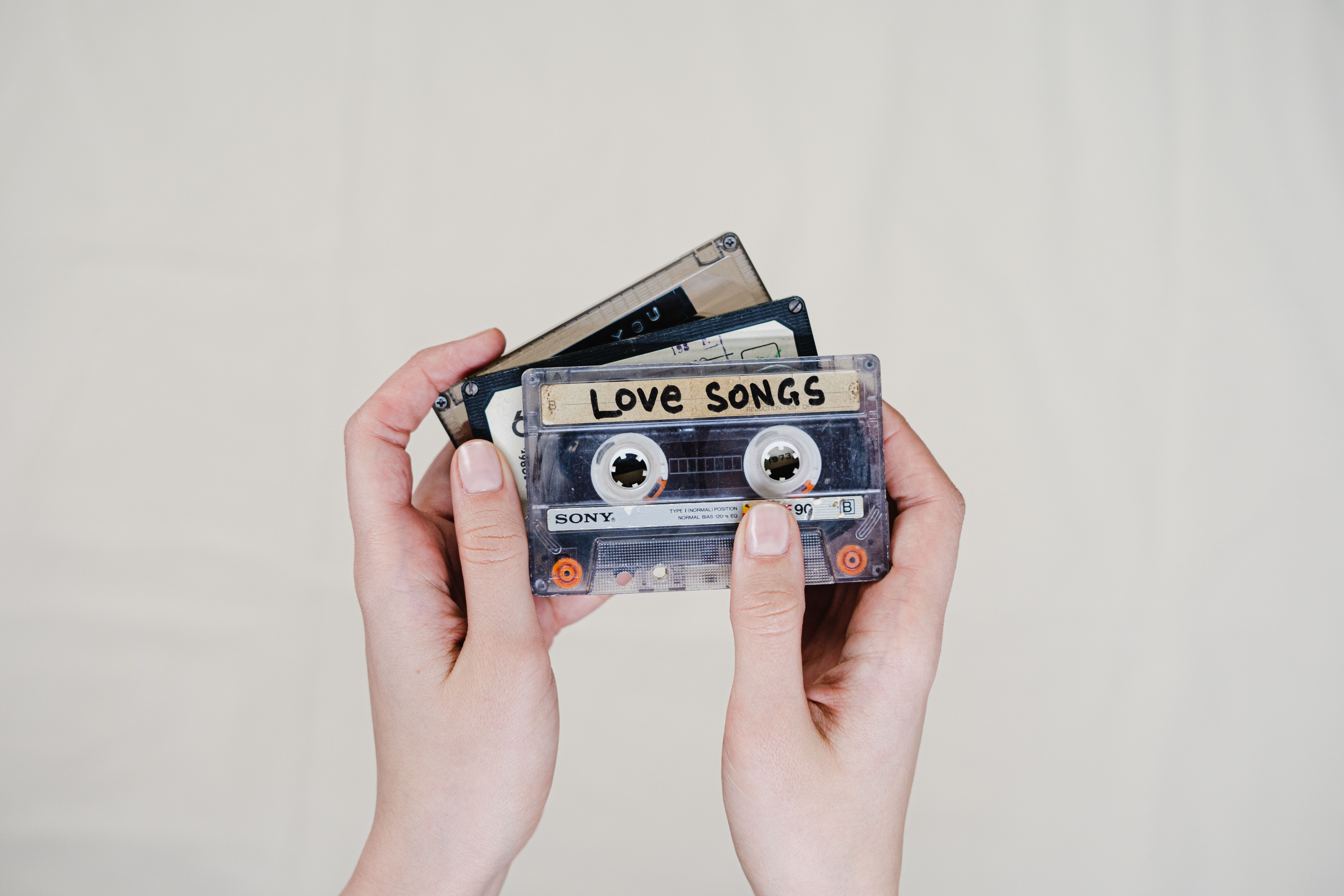
La música es uno de los recursos más infrautilizados para aprender español. Una canción que te gusta la escuchas diez, veinte, cien veces —y cada escucha es un repaso de vocabulario, pronunciación y gramática sin ningún esfuerzo consciente.
Estas diez canciones no solo suenan bien; también tienen vocabulario claro, pronunciación limpia y estructuras que un estudiante puede aprender y usar.
A1–A2 Principiante B1–B2 Intermedio C1–C2 Avanzado
Vocabulario sencillísimo, repetición constante, ritmo inconfundible. La letra corta y los estribillos repetidos la hacen perfecta para memorizar patrones rítmicos del español. A1 Practica: vocales, ritmo, palabras básicas.
Letra positiva y vocabulario del día a día: llorar, reír, vivir, gozar. Pronunciación latina muy clara. El infinitivo como sujeto (vivir mi vida) es un patrón gramátical muy útil. A2 Practica: verbos en infinitivo, expresar emociones.
Tuvo más días como número uno en el mundo que ninguna canción en la historia. La velocidad moderada de Fonsi y la pronunciación caribeña hacen fácil seguirla. A2–B1 Practica: imperativos, vocabulario de movimiento y romance.
Articulación ejemplar, ritmo tranquilo y vocabulario cotidiano. Julieta Venegas pronuncia cada sílaba con una claridad que la convierte en favorita de profesores de español. A2–B1 Practica: verbos reflexivos, tiempo presente, emociones.
El clásico por excelencia. Registro formal, vocabulario romántico y vocabulario que aún hoy se usa. El imperativo bésame y las construcciones con como si introducen estructuras de nivel medio. B1 Practica: imperativos, vocabulario emocional, registro formal.
La combinación del español latinoamericano de Shakira y el peninsular de Sanz es un regalo linguüístico. La letra trata el desamor con vocabulario rico y expresivo. B1–B2 Practica: vocabulario emocional, contraste de acentos.
Uno de los textos más ricos del rap en español: metáforas, referencias históricas, vocabulario avanzado. Entienderla por completo es una marca de nivel alto. B2–C1 Practica: vocabulario avanzado, metáforas, cultura latinoamericana.
Ojalá es una de las palabras más bonitas del español, de origen árabe. Esta canción es un tour de force del subjuntivo: casi cada frase lo usa. Para estudiantes que quieren dominar ese tiempo verbal, es imprescindible. B2–C1 Practica: subjuntivo presente, vocabulario poético.
Letra reflexiva con vocabulario de valor y tiempo. La pronunciación catalana matizada de Pau Donés y el ritmo mediterráneo hacen de esta canción un ejemplo del español peninsular muy asequible. B1–B2 Practica: expresiones idiomáticas, frases de reflexión.
Pop latino de los años noventa con vocabulario del habla cotidiana juvenil. Fácil de cantar, pegadiza, ideal para practicar el español de México con pronunciación muy clara. B1 Practica: vocabulario cotidiano, tiempo presente y futuro.
Cómo sacarles el máximo partido: escucha la canción primero sin letra, luego con letra en español, subraya las palabras que no entiendas, y por último cántala en voz alta. El canto obliga a articular correctamente y fija la pronunciación mejor que cualquier ejercicio de repetición.
Complementa la música con lecturas
La música es el input ideal para el oído; las lecturas guiadas entrenan la comprensión escrita y el vocabulario en contexto.
Ver lecturas
Volver al blog
Music is one of the most underused resources for learning Spanish. A song you love you listen to ten, twenty, a hundred times — and every listen is a vocabulary, pronunciation, and grammar review with zero conscious effort.
These ten songs do not just sound great; they also have clear vocabulary, clean pronunciation, and structures a learner can pick up and use.
A1–A2 Beginner B1–B2 Intermediate C1–C2 Advanced
Very simple vocabulary, constant repetition, unmistakable rhythm. The short lyrics and repeated choruses make it perfect for memorising the rhythmic patterns of Spanish. A1 Practises: vowels, rhythm, basic words.
Uplifting lyrics with everyday vocabulary: llorar, reír, vivir, gozar. Very clear Latin pronunciation. The infinitive as a subject (vivir mi vida) is a highly useful grammatical pattern. A2 Practises: infinitive verbs, expressing emotions.
Spent more days at number one worldwide than any song in history. Fonsi’s moderate pace and Caribbean pronunciation make it easy to follow. A2–B1 Practises: imperatives, movement and romance vocabulary.
Exemplary articulation, calm rhythm, everyday vocabulary. Julieta Venegas pronounces every syllable with a clarity that makes this a favourite among Spanish teachers. A2–B1 Practises: reflexive verbs, present tense, emotions.
The classic par excellence. Formal register, romantic vocabulary, still very much in use today. The imperative bésame and constructions with como si introduce intermediate-level structures. B1 Practises: imperatives, emotional vocabulary, formal register.
The combination of Shakira’s Latin American Spanish and Sanz’s Peninsular Spanish is a linguistic gift. The lyrics deal with heartbreak through rich and expressive vocabulary. B1–B2 Practises: emotional vocabulary, accent contrast.
One of the richest texts in Spanish rap: metaphors, historical references, advanced vocabulary. Understanding it fully is a hallmark of a high level. B2–C1 Practises: advanced vocabulary, metaphors, Latin American culture.
Ojalá is one of the most beautiful words in Spanish, of Arabic origin. This song is a tour de force of the subjunctive: almost every line uses it. Essential for students who want to master that tense. B2–C1 Practises: present subjunctive, poetic vocabulary.
Reflective lyrics about value and time. The Catalan-inflected pronunciation of Pau Donés and the Mediterranean rhythm make this an approachable example of Peninsular Spanish. B1–B2 Practises: idiomatic expressions, reflective phrases.
Latin pop from the nineties with everyday youthful vocabulary. Easy to sing along to, catchy, and ideal for practising Mexican Spanish with very clear pronunciation. B1 Practises: everyday vocabulary, present and future tense.
How to get the most out of them: listen to the song first without lyrics, then with Spanish lyrics, underline words you do not understand, and finally sing it out loud. Singing forces correct articulation and fixes pronunciation better than any repetition drill.
Complement the music with readings
Music is the ideal input for your ear; guided reading texts train reading comprehension and vocabulary in context.
See readings
Back to the blog